How to Explore NYC Like a Local, Not an Influencer
By Team Fleebo
April 3, 2026A lot of New York advice is optimized for coverage, not quality. It is built around the same landmarks, the same viral food stops, the same queues, and the same idea that seeing more automatically means understanding more. Usually, it does not. It just leaves people moving quickly through places they never really got to know.
New York makes more sense when you approach it neighborhood by neighborhood. The city is not one unified experience. It is a collection of places with distinct histories, rhythms, cuisines, and street-level identities. If you want a better day in the city, start there.
Start with a neighborhood, not a checklist
One of the easiest ways to get more out of New York is to organize your time around a neighborhood instead of a list of attractions. That gives you the time to notice what makes a place specific: the businesses that anchor it, the architecture that defines it, the institutions that shaped it, and the small details that rarely make it into generic travel guides.
This does not mean avoiding famous places. It means seeing them in context.
Use recommendations from people who actually know the area
There is a difference between what is popular and what is revealing. The most useful recommendations usually come from people who know a neighborhood well enough to know what is best and what is just for transplants.
That is one of Fleebo's strongest differentiators. Its tours are built around neighborhoods and lived context, with local recommendations in Jackson Heights woven into the route. That shows up especially clearly in the tours with strong curator or neighborhood texture. In the Upper East Side route, the recommendations are not generic "grab a coffee nearby" filler. They point you toward timed entry at the Frick, free French cultural programming, the Ukrainian Institute's exhibitions and restrooms, Café Sabarsky at the Neue Galerie, and the interactive design tools at Cooper Hewitt. Those details make the neighborhood feel lived in rather than merely observed.
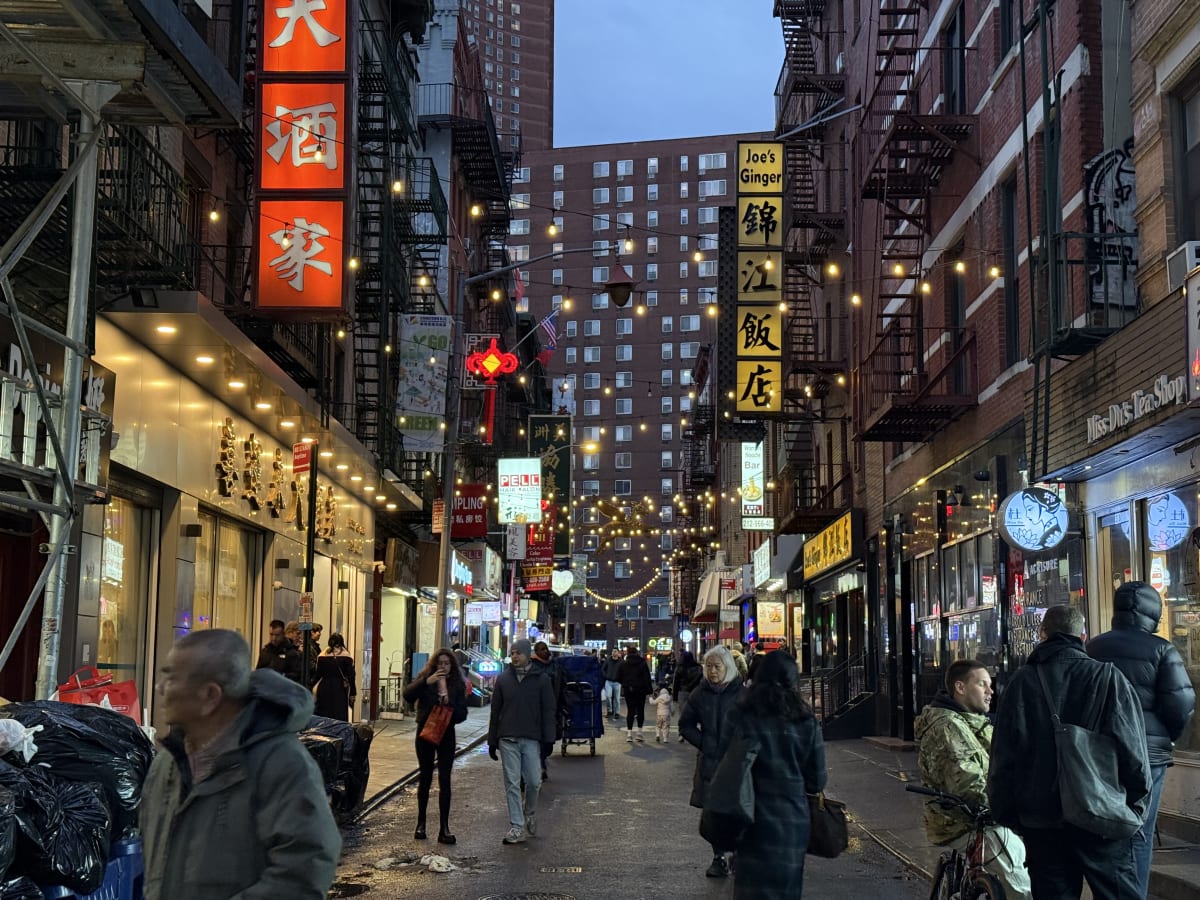
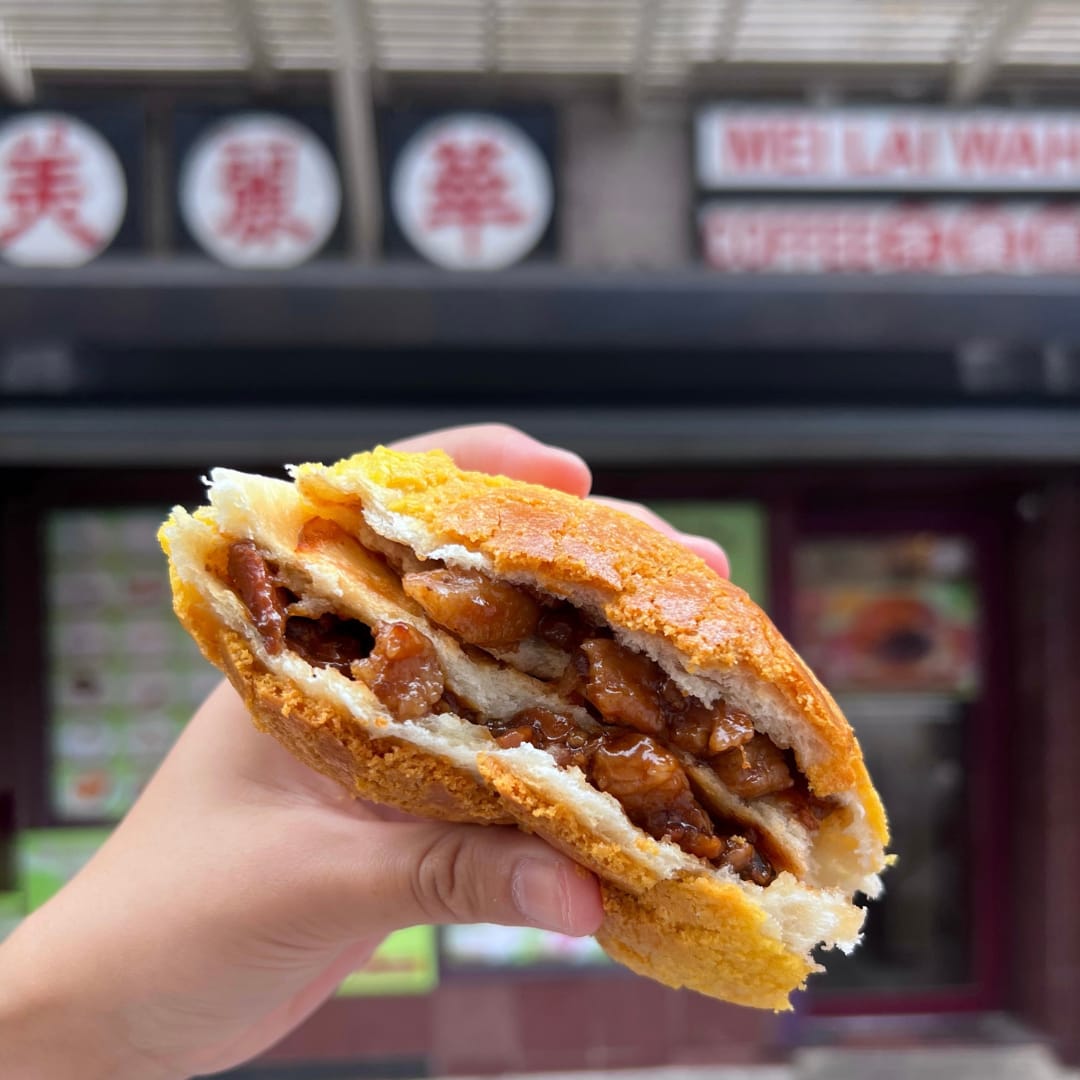
The same is true in a Chinatown walk with real food context. The best route there is not just "go eat where the internet tells you to eat." It helps with the actual decisions that shape the experience: bring cash to Tasty Dumpling, get to Mei Lai Wah before the line thickens, try mango mochi when the fruit is in season, sample at Chinatown Ice Cream Factory, walk Doyers Street slowly enough to register its history, and know that Apothéke works best if you arrive early and dress properly. Those are the kinds of details that come from familiarity, not just visibility.
Slow down enough for the city to connect
New York is often framed as a city to conquer. In practice, it is much better in smaller pieces. Once you slow down, the city begins to connect. A restaurant is no longer just a place to eat. It may sit next to a cultural institution, a block with a specific immigrant history, or a stretch of street that explains how a neighborhood evolved.
That is why walking works so well here. Fleebo is self-guided, GPS-led, and no-download, so you get structure without losing flexibility.
Let the neighborhood decide the lens
Different parts of the city ask for different kinds of attention. Chinatown works through appetite, density, and history. A self-guided Harlem route makes more sense through the overlap of food, music, and culture. An Upper East Side route built around old New York opens up through mansions, philanthropy, and museum life. Greenwich Village rewards a sharper thematic lens, whether that is literary history, queer history, or women's history.
A good route should work with those differences rather than flatten them.
Why Fleebo feels different
Fleebo does not approach the city through generic "must-see" lists. It approaches it through neighborhoods, stories, and routes that let people move at their own pace. That makes the experience feel more grounded and more specific than the standard travel roundup.
For travelers who want a version of New York that feels less canned and more lived-in, that difference matters.
A better way to move through New York
Exploring New York like a local does not mean pretending to be one. It means using better filters. Pick a neighborhood. Give yourself time. Use recommendations from people who know the area. And choose an experience that makes the city feel more specific, not more generic.
Explore Neighborhood Tours on Fleebo →
Frequently asked questions
What does it mean to explore New York like a local? It means using better filters: choosing neighborhoods thoughtfully, giving yourself enough time, and following recommendations that reflect actual familiarity with the area.
Why are neighborhood-based routes better than generic city lists? Neighborhood-based routes make it easier to understand what gives a place its character, instead of reducing the city to disconnected attractions.
Does Fleebo include local recommendations? Yes. Fleebo tours include local recommendations throughout, from museum tips on the Upper East Side to food timing and ordering guidance in Chinatown.
Is Fleebo good for travelers who want flexibility? Yes. Fleebo is self-guided and no-download, so it gives structure without locking you into a fixed group pace.