Best Self-Guided Walking Tours in NYC for Travelers Who Want More Than the Tourist Checklist
By Team Fleebo
April 3, 2026As the most walkable city on Earth, New York is best explored on foot. A few blocks can hold centuries of history, sudden shifts in architecture, and the kind of local texture that disappears when you move too quickly. The problem is that many walking tours do exactly that. They rush people through neighborhoods, flatten them into headline sights, or deliver so much information that the place itself gets lost.
A good self-guided tour should do the opposite. It should give you enough structure to notice what matters, while leaving you free to move at your own pace.
Fleebo creates self-guided walking tours across New York, built around neighborhoods, local recommendations, trivia, and the opportunity to experience the city as a local. It is GPS-led and no-download, so you can start quickly and explore on your own schedule.
Best for early New York history: Lower Manhattan
If you want to start with the city's earliest layers, Lower Manhattan is one of the strongest places to begin. Fleebo's Wall St. & New Amsterdam Chase starts at 89 Broadway, covers 8 stops, and takes about 2 hours. The route moves from Trinity Church and the Barthman clock to Federal Hall, Fearless Girl, Bowling Green, and Fraunces Tavern, which gives it a good mix of colonial history, financial symbolism, civic architecture, and smaller details that people often miss. The local recommendations help too: step inside Trinity, look for the Double Check statue, or end with a drink at Fraunces Tavern.
Best for architecture and old New York: Upper East Side
The Gilded Age Tour of Upper East Side covers 12 stops over about 2 hours and traces the social world of old-money New York through mansions, institutions, and museum houses. It starts at the Roosevelt residence, then moves through places tied to the Vanderbilts, the Sloanes, the Harkness family, and the Whitneys before reaching cultural institutions like the Frick Collection, Neue Galerie, Goethe House, and Cooper Hewitt. That range is what makes the route so strong. It is not just about façade appreciation. It shows how private wealth, taste, philanthropy, and cultural life shaped the Upper East Side. The local recommendations add real usefulness, from Café Sabarsky at the Neue Galerie to free French cultural events and timed-entry strategy for the Frick.
Best for food, culture, and local texture: Chinatown
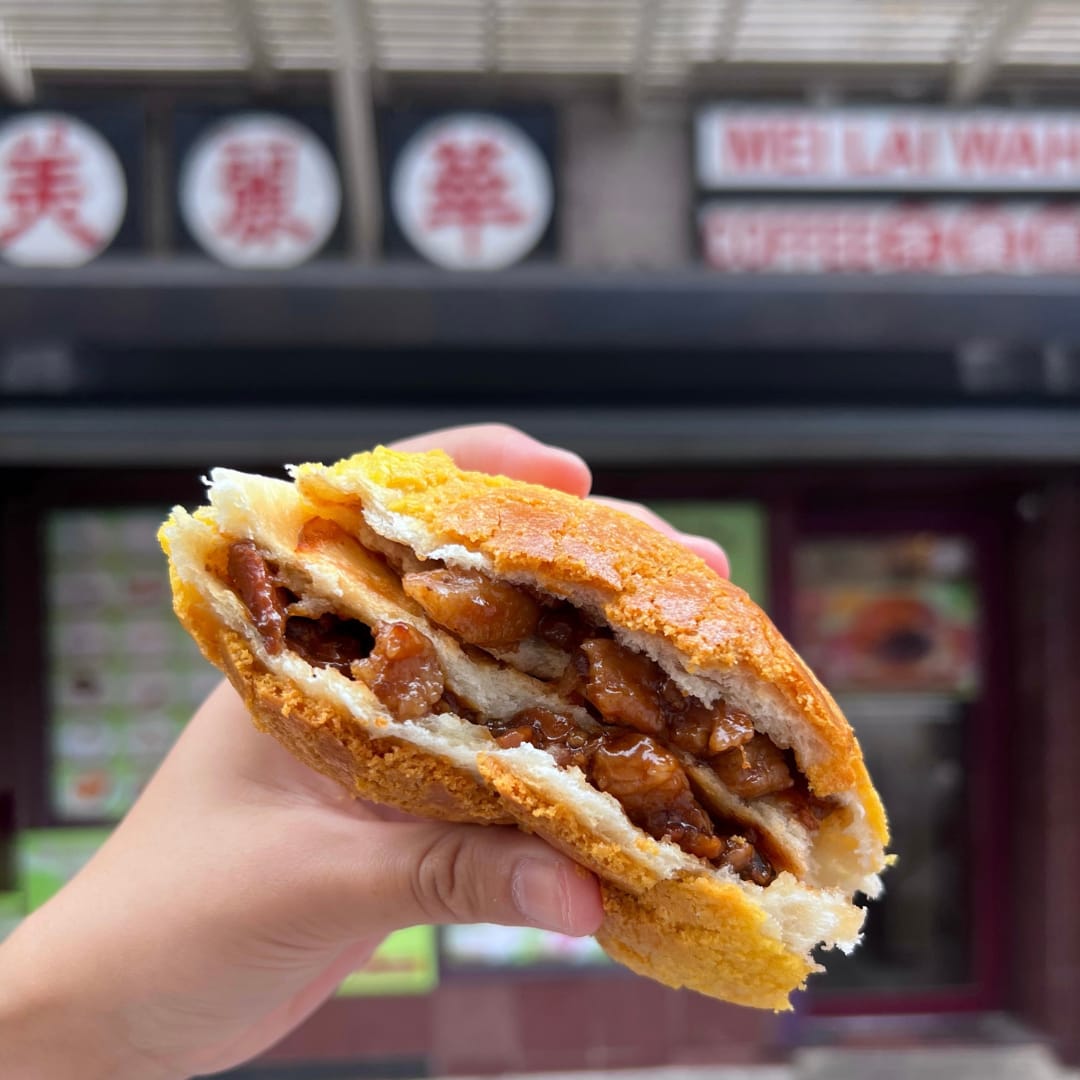
Fleebo's Eat This, Then Find That: Chinatown shows you how a neighborhood can be explored through appetite and street history at the same time. It covers 8 stops over about 2 hours, starting with dumplings and buns, moving through bakeries and ice cream, then into antique watches, Doyers Street history, hand-pulled noodles, and an end point at Apothéke. This is a route for people who want a food walk that feels like more than a list of popular places. It includes practical details too: cash-only dumplings, timing Mei Lai Wah before the crowds, what to order where, and how to think about Doyers Street beyond the photo.
Best for culture, food, and music: Harlem
Fleebo's Harlem: Soul Food & Music Tour works well for people who want food, culture, and neighborhood identity to feel connected rather than siloed. It covers 8 stops over about 2 hours and is best treated as part of a fuller day in Harlem. You start with iconic soul food, end with live music, and move through neighborhood staples and cultural institutions along the way. That gives the route more shape than a generic food stop list.
Best for a sharper lens: Greenwich Village
We have all been to the Village. We know what it offers on the surface. However, there is so much more rich history hidden beneath the facade. Fleebo's Hot Girl History: Greenwich Village brings this to life. It is an 8-stop, roughly 1-hour self-guided walk through sites tied to Djuna Barnes, Lorraine Hansberry, Edna St. Vincent Millay, queer nightlife, feminist protest, and the bohemian and political history of MacDougal Street and Washington Square. That gives the Village more depth and character than a standard neighborhood stroll. The local recommendations keep it usable too, whether that means catching a comedy show on MacDougal Street or getting the classic photo under the Washington Square Arch.
What sets Fleebo apart
Fleebo's advantage is straightforward: the tours are self-guided, structured, and rooted in neighborhood knowledge. You get a clear route, enough context to understand where you are, and local recommendations that make the experience feel more grounded than a generic list of places to see. You also earn points by solving trivia that you can redeem at local businesses.
Start with the neighborhood that matches your mood
If you want to explore New York without being locked into a group tour, start with the neighborhood that actually fits what you want from the city. History, architecture, food, music, or women's history all work better when the route is well built.
Frequently asked questions
Are Fleebo tours self-guided? Yes. Fleebo tours are self-guided and GPS-led, so you can explore on your own schedule without joining a group.
Do I need to download an app to use Fleebo? No. Fleebo is no-download, which makes it easy to start quickly.
How long do Fleebo tours usually take? Many Fleebo tours take around 1 to 2 hours, though some food-focused routes, like Jackson Heights, run longer.
What makes Fleebo different from a typical walking tour? Fleebo combines self-guided routes, clues, local recommendations, and neighborhood-specific storytelling, which makes the experience feel more grounded than a standard sightseeing loop.